
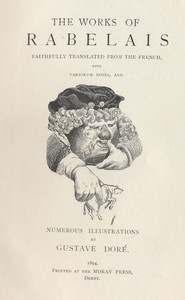
Gargantua and Pantagruel, Illustrated, Book 1 by François Rabelais
Let's get one thing straight: trying to summarize the 'plot' of this book is like trying to describe a dream you had after eating too much cheese. It's weird, it jumps around, and the logic is its own. Gargantua and Pantagruel follows the lives of two giants. First, we meet Gargantua, born from his mother's ear after an 11-month pregnancy. His childhood is a riot of gluttony and mischief. Later, we meet his son, Pantagruel, who is even bigger and thirstier. The story is a series of loosely connected adventures—Gargantua goes to a bizarre Parisian university, fights a war started over some bakery dispute, and helps found the wonderfully named Abbey of Thélème, where the only rule is 'Do What Thou Wilt.' Pantagruel meets his loyal, cunning friend Panurge, who is a trickster for the ages.
Why You Should Read It
This book is a blast. Seriously. Rabelais wrote this nearly 500 years ago, but the humor—rooted in bodily functions, exaggerated satire, and pure silliness—still lands. Beneath the giant codpieces and gallons of wine, though, is a sharp mind poking fun at everything from education and religion to politics and war. The Abbey of Thélème is a radical idea of a perfect society based on freedom and trust. Reading it feels like being let in on a massive, centuries-old inside joke. The characters, especially the chaotic Panurge, leap off the page with more life than most modern creations.
Final Verdict
This is not a book for someone who wants a neat, tidy story. It's for the reader who loves Monty Python, appreciates literary chaos, and doesn't mind a bit of old-fashioned ribaldry. It's perfect for history and literature nerds who want to see where a lot of modern satire came from, and for anyone who just needs a genuine, gut-laugh from a classic. Grab a drink (maybe not as much as Pantagruel), settle in, and prepare to be delightfully bewildered.
This title is part of the public domain archive. It is now common property for all to enjoy.
Ava Walker
1 year agoFast paced, good book.
Edward Hernandez
6 months agoFinally found time to read this!

John Sanchez
7 months agoBased on the summary, I decided to read it and the storytelling feels authentic and emotionally grounded. Don't hesitate to start reading.