
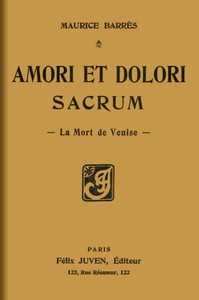
L'Œuvre by Émile Zola
Let me tell you about Claude Lantier. He's a talented painter in 19th-century Paris, full of fire and new ideas. He wants to break all the old rules of art and create something huge, something real. Alongside his writer friend Sandoz and other artists, they dream of conquering the city. Claude even finds love with Christine, who becomes his model and wife. He believes his big painting, a modern scene of life along the Seine, will be his masterpiece, his ticket to glory.
The Story
But that's where the dream starts to crack. Claude becomes obsessed with this one painting. He works on it for years, changing it, scraping it clean, starting over. He can never get it to match the perfect vision in his mind. As he struggles, his relationships suffer. Christine watches, heartbroken, as the man she loves is consumed by a canvas. The art establishment rejects his work, and his confidence shatters. The story follows this painful cycle of hope, furious work, failure, and despair. It asks a haunting question: what happens when your greatest passion becomes your prison?
Why You Should Read It
This book is brutally honest. Zola doesn't give us a romantic, struggling-artist-makes-good story. He shows the mess, the frustration, and the psychological toll. Claude isn't always likable, but his struggle is painfully real. You feel his feverish excitement and his crushing disappointment right alongside him. It's also a fascinating, insider's look at the Paris art scene of the time—the cafes, the critics, the rivalries. Most of all, it's about the universal fear of not being good enough. Anyone who creates anything—art, writing, music, even a business—will see a piece of themselves in Claude's battle.
Final Verdict
L'Œuvre is for anyone who loves a deep, character-driven story that doesn't pull its punches. It's perfect for fans of historical fiction about Paris, for people interested in the creative process (with all its warts), and for readers who don't need a happy ending to appreciate a powerful truth. Fair warning: it's not a light read. It's intense and often sad, but it's so full of life and raw emotion that it sticks with you long after the last page.
This text is dedicated to the public domain. Use this text in your own projects freely.
Elizabeth Smith
7 months agoWow.
Thomas Rodriguez
1 year agoComprehensive and well-researched.



Barbara Perez
2 months agoGreat reference material for my coursework.